
As I wandered through Russian cities, happily and without any particular agenda, something quietly caught my attention. There was something about the elderly here—something I had never really seen before. At first, it felt ordinary. I noticed older people working in stores, malls, and public places as security staff. I assumed it was normal, maybe coincidental.
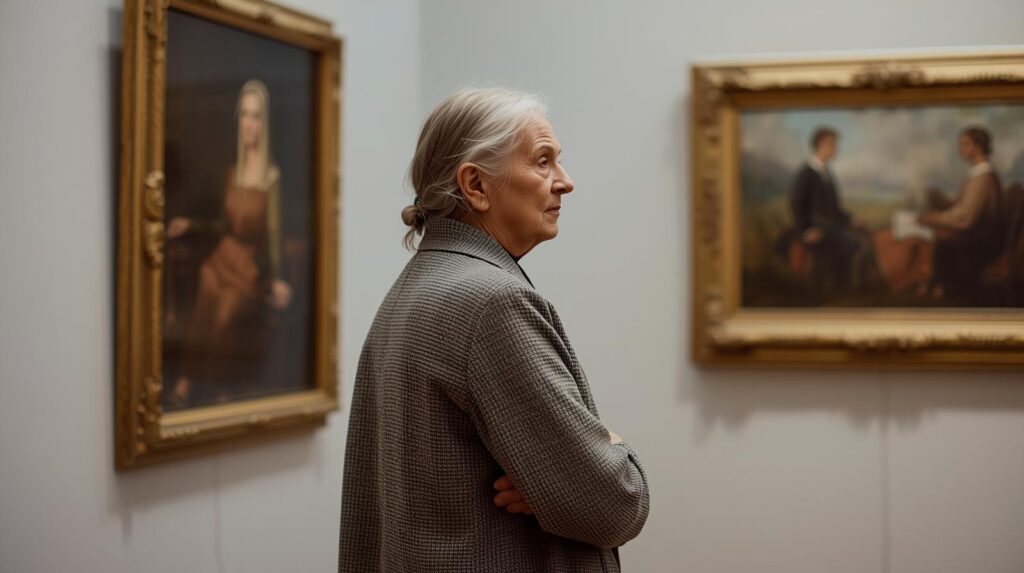
Then I boarded a bus, and the driver was a man who looked close to seventy. My first thought was admiration—what a dedicated old man. But the pattern didn’t stop there. On a rainy afternoon at an art museum, I noticed elderly women working as attendants, stationed in every room, calmly supervising the galleries and guiding visitors. They weren’t visitors themselves—they were employees, present with quiet authority and grace.
Most of the cab drivers I encountered were older. Many security guards were older. Slowly, what felt like coincidence began to feel like culture.
I was genuinely astonished to see senior citizens actively working across almost every sector. And that’s when it struck me—this wasn’t only about financial need; it was about value. Russia, in its own way, seems to respect usefulness over age. Old age here doesn’t look like withdrawal from life; it looks like continued participation in it.
Coming from a country like India, where people often retire by fifty and are gently pushed into a life of rest, dependence, or social invisibility, the contrast felt sharp. Some even begin planning for retirement in their twenties, as if life is something to step away from early. But here, older Russians walk long distances, use metros and public transport, show up to work, and remain visible in everyday life.
What moved me the most wasn’t just their hard work—it was their independence. Their bodies may have aged, but their role in society hasn’t diminished. It made me question how we define aging. Is growing old about slowing down, or is it about staying relevant?
Watching these elderly Russians, I realized that dignity doesn’t come from rest alone—it often comes from purpose. And perhaps that is the quiet lesson these streets teach: aging doesn’t have to mean disappearing. It can simply mean continuing—at your own pace, in your own way.